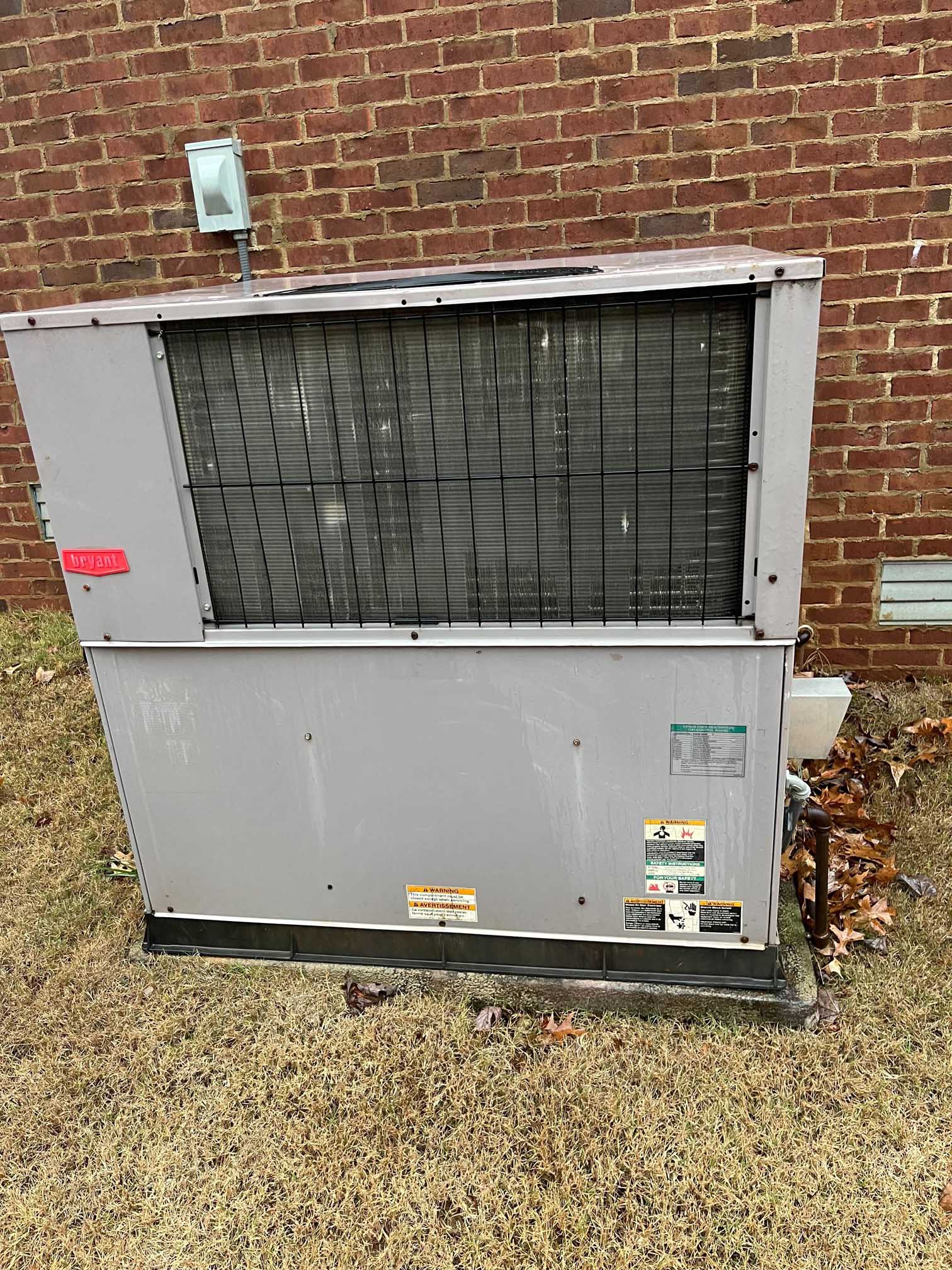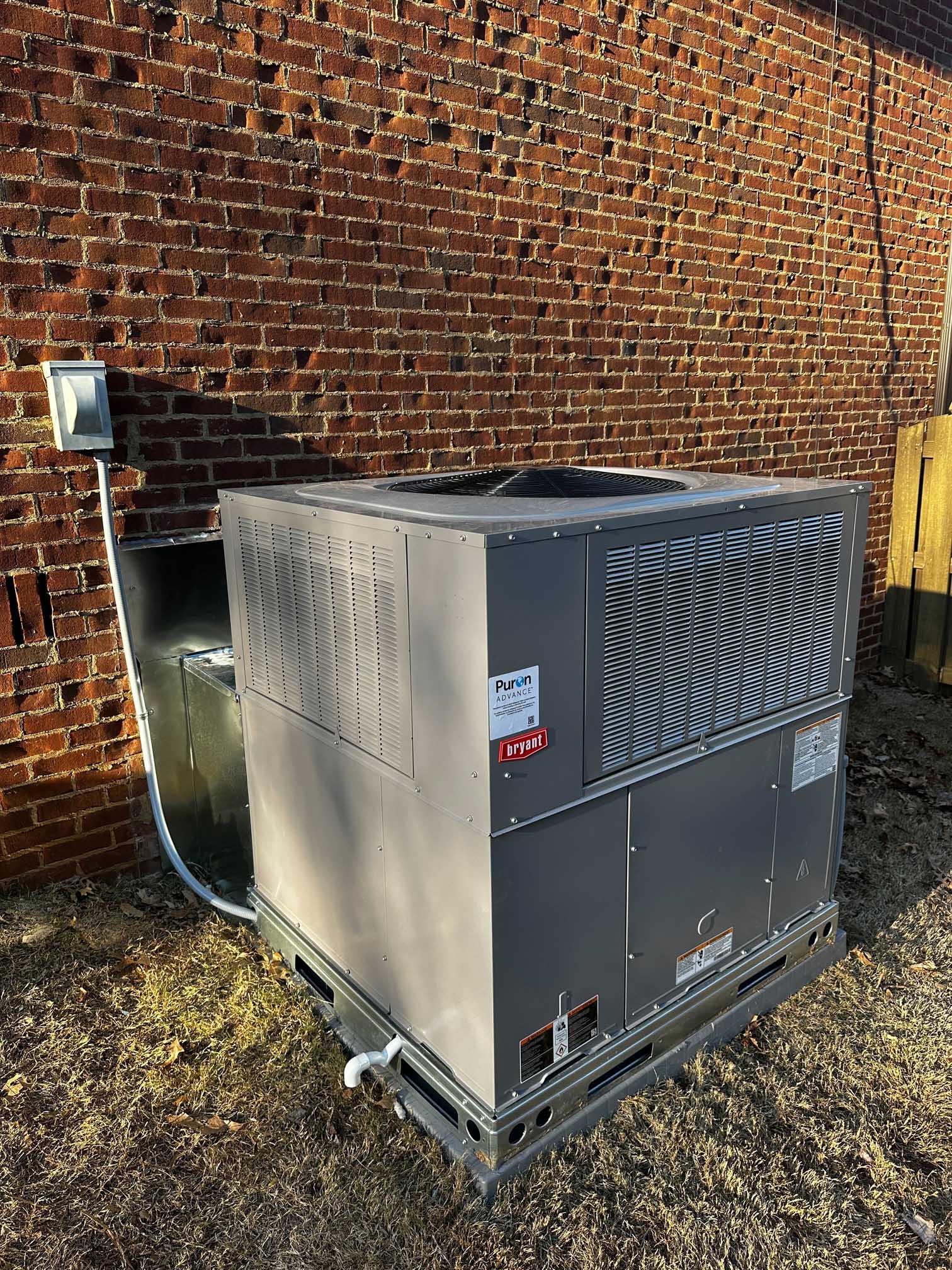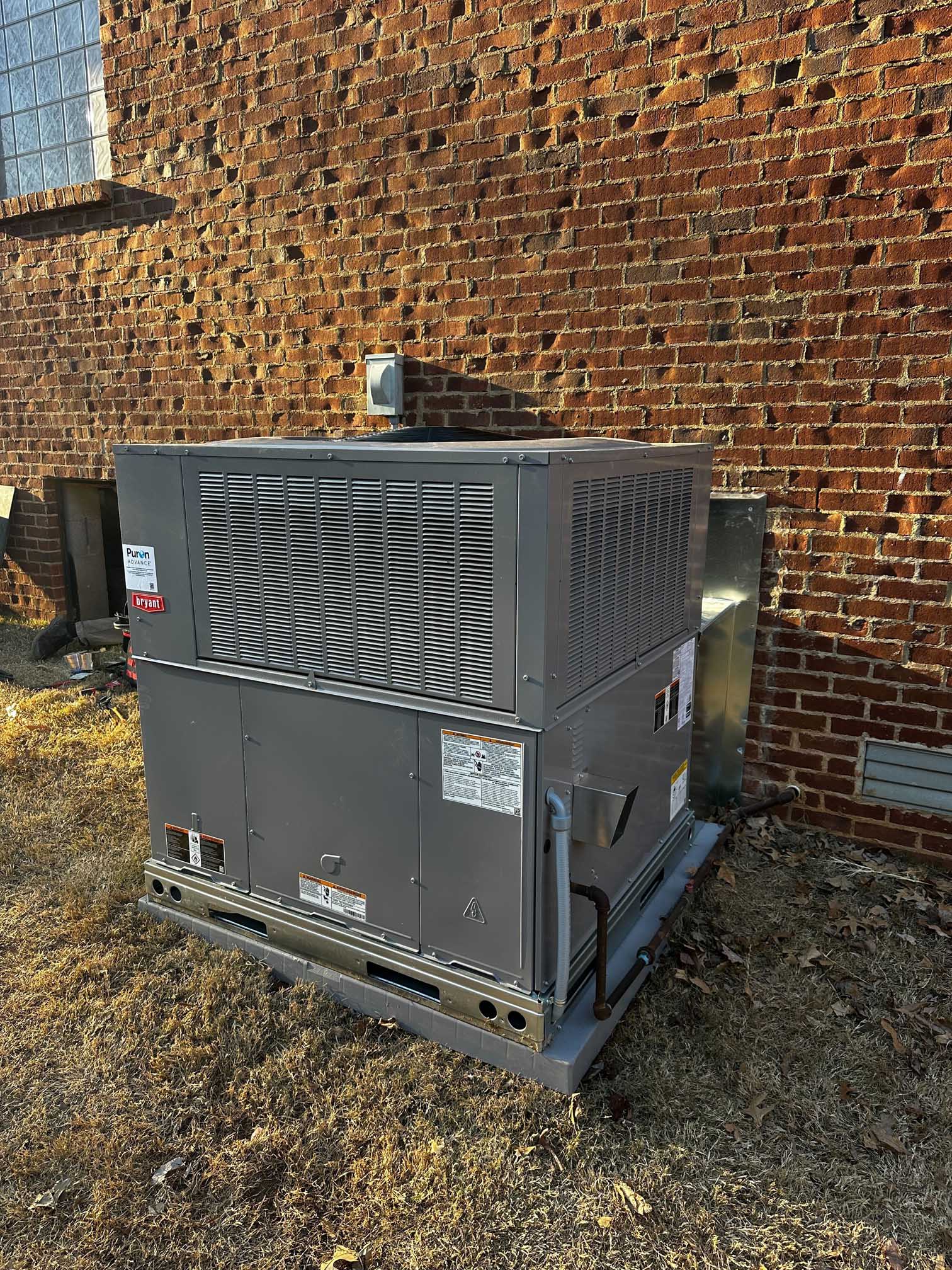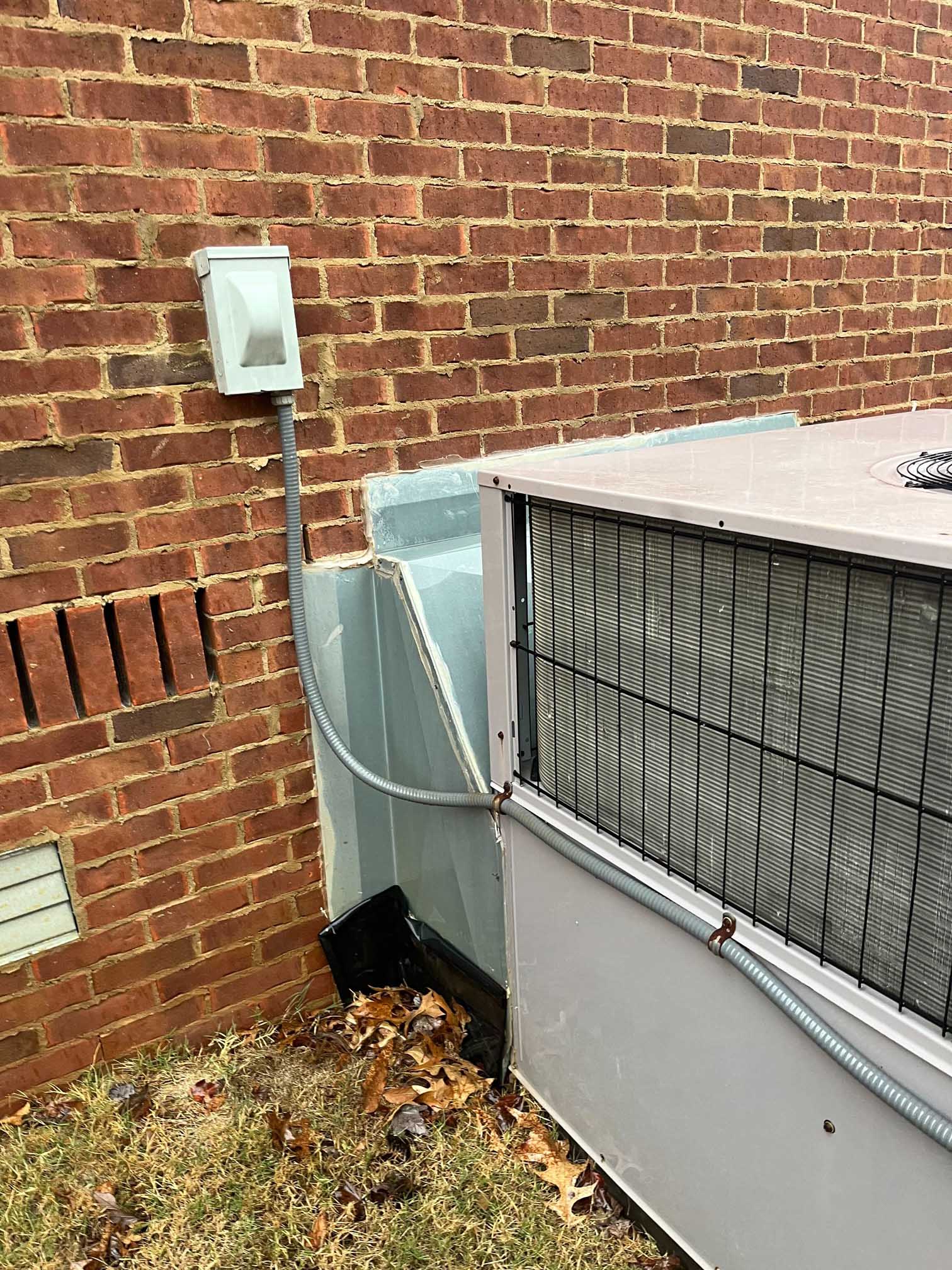
This is one of the most common questions homeowners ask during winter. The answer is rarely black and white. Repairing a heating system can make sense in some situations, while replacement is the better long-term choice in others.
Age is an important factor. Most heating systems are designed to last 12 to 15 years with proper maintenance. As systems approach or exceed that range, components wear out more frequently and efficiency declines. Repairs become more common, and costs start to add up.
Efficiency matters just as much. Older systems often use more energy to produce the same level of comfort. Even when they are running properly, they may struggle to keep up during colder weather. Newer systems are designed to deliver more consistent heat while using less energy, which can reduce monthly utility bills.
Repair history tells an important story. If a system has required multiple repairs in a short period of time, it is often a sign of broader wear. Fixing one issue may only reveal the next weak point. In these cases, replacement can be more cost-effective over time.
Comfort issues also factor into the decision. Uneven heating, frequent cycling, and long run times are signs that a system may no longer be properly sized or operating efficiently. A professional evaluation looks at the home’s layout, insulation, and heating demands to determine whether the system is still a good fit.
Safety and reliability should never be overlooked. Heating systems include multiple safety controls designed to protect your home. When those systems are aging, reliability becomes less predictable, especially during peak winter demand.
A professional consultation helps homeowners understand their options clearly. The goal is not to push replacement, but to provide accurate information so the homeowner can make a confident decision based on comfort, cost, and long-term reliability.
If you are unsure whether your system is worth repairing again, a professional evaluation can help you weigh your options without pressure.